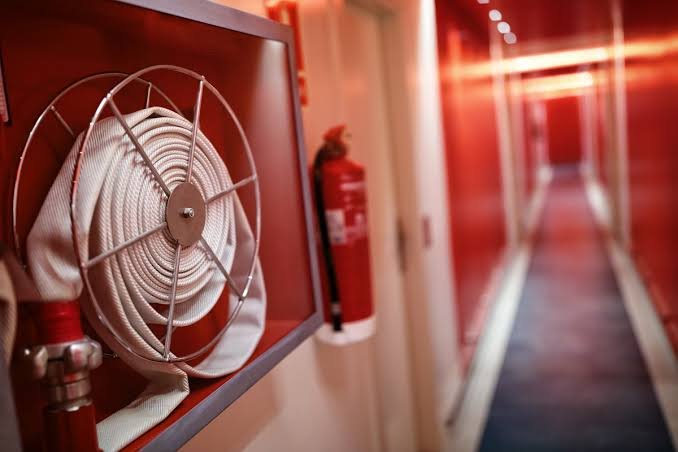
Fire safety should be considered from the earliest stages of any building project rather than being treated as a final compliance requirement. Decisions made during planning and design influence how effectively a building protects occupants, supports emergency response, and complies with relevant building regulations. Addressing fire safety early also helps avoid expensive design changes later in the project.
Whether developing residential, commercial, industrial, or mixed-use buildings, integrating fire safety into the design process contributes to safer, more efficient, and more compliant construction outcomes. Early collaboration between design professionals helps identify potential issues before construction begins.
Careful planning creates stronger buildings while reducing unnecessary project risks.
Incorporate Fire Engineering Early In The Design Process
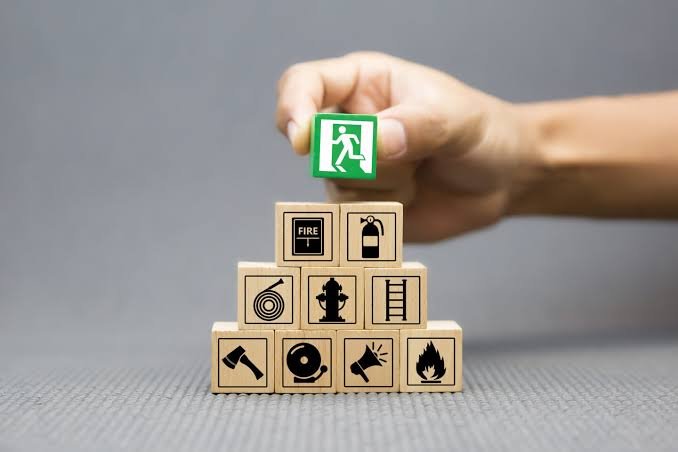
Developers planning new construction projects should explore fire engineer Brisbane (this page) to better understand how fire engineering supports building design, performance-based solutions, regulatory compliance, evacuation planning, and overall project safety before construction begins.
Fire engineering considers factors such as occupant movement, fire detection systems, smoke management, structural fire protection, and emergency access. Evaluating these elements during the design stage helps ensure the proposed building meets both safety objectives and applicable regulatory requirements.
Early technical input also allows architects, engineers, and developers to coordinate more effectively, reducing the likelihood of costly redesigns or approval delays.
Proactive planning strengthens both safety outcomes and overall project efficiency.
Reduce Risk And Improve Project Delivery

Changes made after construction has started are often significantly more expensive than modifications made during the design phase. Identifying fire safety requirements early helps minimise project delays while improving coordination between consultants, contractors, and approval authorities.
Well-developed fire strategies also support more efficient building approvals by demonstrating that important safety considerations have been addressed throughout the planning process. This provides greater confidence for project stakeholders while helping maintain construction schedules.
Effective fire planning contributes to smoother project delivery and improved long-term building performance.
Early preparation helps reduce both technical and financial risks.
Support Long-Term Building Safety

Fire safety continues to influence building performance long after construction has been completed. Well-designed fire protection systems help safeguard occupants, protect valuable assets, and support ongoing compliance throughout the life of the building.
Considering future maintenance, system accessibility, and changing occupancy requirements during the design process also helps buildings remain adaptable as operational needs evolve. Comprehensive documentation further supports facility management and future upgrades.
Long-term planning ensures fire safety remains an integral part of building performance rather than simply meeting minimum compliance requirements.
Thoughtful engineering decisions help create safer and more resilient buildings.
Conclusion
Fire safety should be integrated into building design from the very beginning of every development project. Early fire engineering input helps reduce risk, improve regulatory compliance, and support efficient project delivery while protecting future building occupants.
By addressing fire safety before finalising building plans, developers can avoid unnecessary redesigns, strengthen long-term building performance, and deliver projects that are both safer and better prepared for future operational requirements.