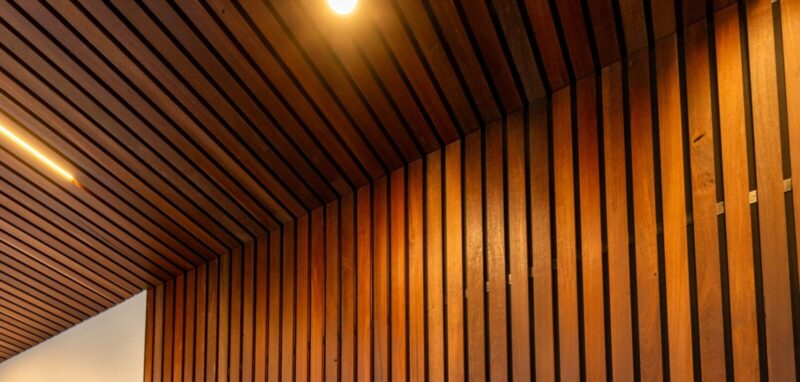
Fire rated timber walls and ceilings are now common in modern architecture because they combine warmth, sustainability, and strong visual impact. The challenge is proving they meet fire safety rules, especially when exposed timber is part of the design.
Achieving a compliant fire rating is not about one magic product. It is a coordinated system that includes the right timber, correct construction details, tested coating systems, and disciplined installation.
Understand fire performance targets and how timber is assessed
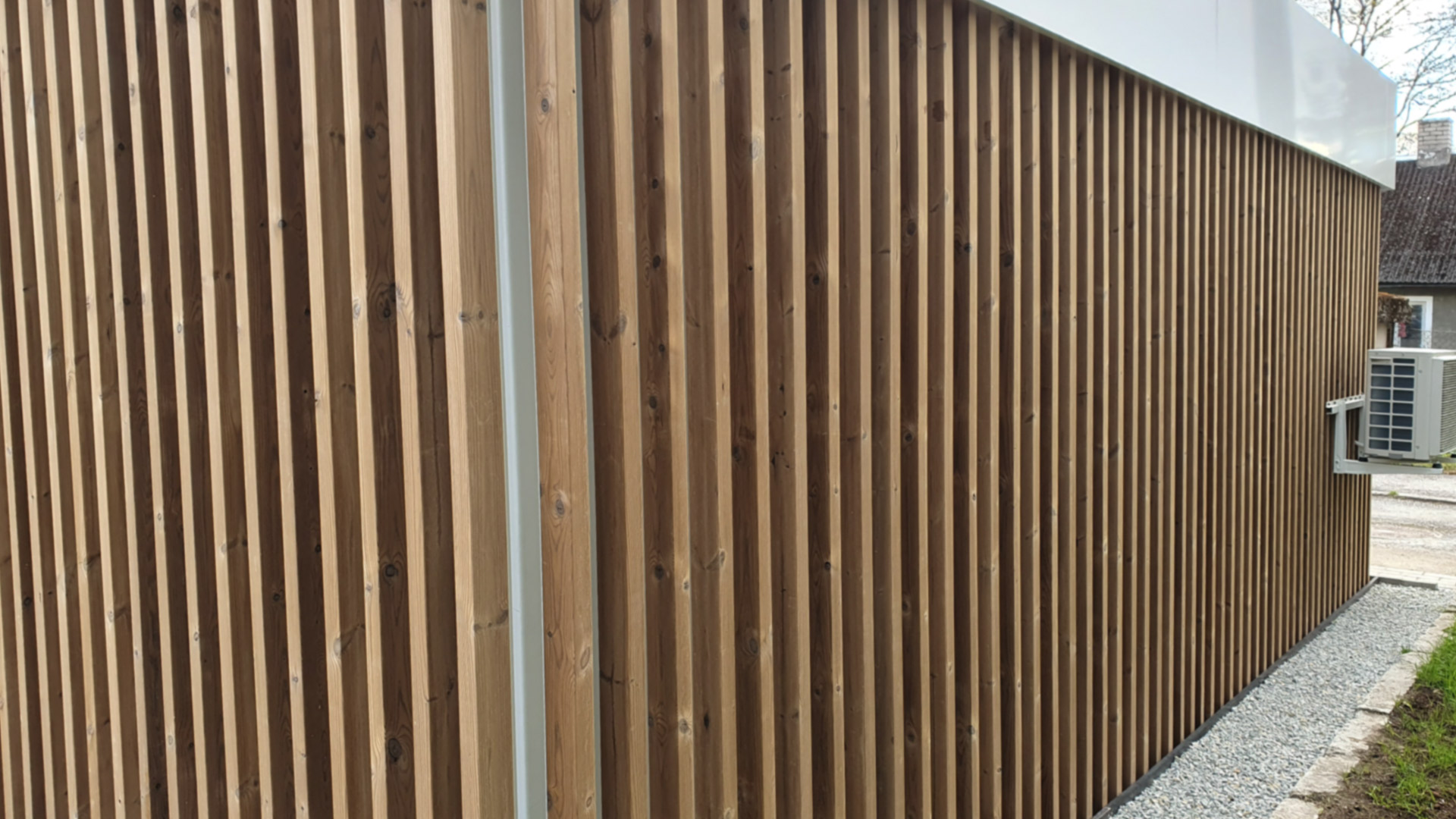
Before selecting materials, you need to know what fire performance the wall or ceiling must achieve. In most codes this is tied to how quickly the surface ignites, how flames spread, and how much smoke and heat it produces.
Timber can meet these targets in different ways depending on thickness, species, and whether it is structural or purely decorative. Some projects require a surface spread of flame rating, while others need a full fire resistance level for load bearing elements.
Early consultation with a fire engineer is critical because the rating pathway depends on the building type, occupancy, and location of the timber element. They will confirm which test standards apply and what evidence must be provided.
One of the most common solutions for exposed timber linings is a tested intumescent system. If you are exploring this option, by learning more about intumescent coatings, you can see how these products expand under heat to form a protective char layer that slows ignition and reduces flame spread.
Once targets are clear, document them in your specification so every supplier and installer knows exactly what outcome is required, not just what product to use.
Select the right timber and detail the assembly correctly
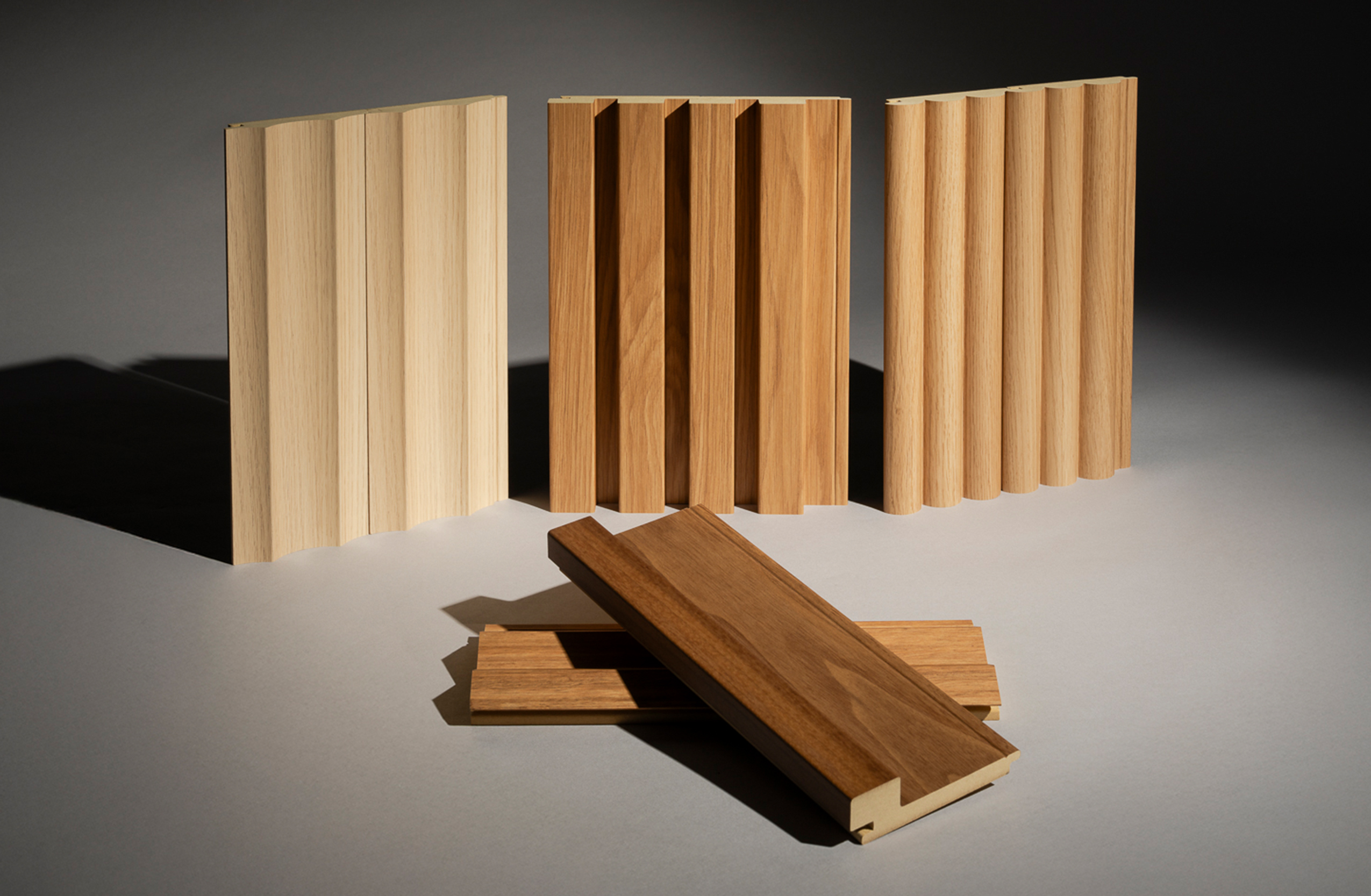
Timber choice affects fire performance even before coatings are added. Dense hardwoods often behave differently from softwoods, and engineered products like CLT or plywood have their own tested characteristics.
Only use timber types that match the tested coating system or have a clear pathway to equivalence. A coating that performs well on one species may not achieve the same rating on another because surface absorption and charring behavior can change.
Construction detailing matters as much as the coating. Gaps, joints, penetrations, and backing materials can all influence real fire behavior.
For walls, ensure the substrate behind timber is non combustible or rated as required. For ceilings, confirm that fixings, battens, and cavities follow the tested assembly, including any fire stopping at edges and service runs.
If the timber is structural, verify that member size and sacrificial charring allowances meet the required fire resistance time. If it is decorative, focus on continuity of the lining and avoidance of hidden voids that can spread fire unseen.
Conclusion
Fire rated timber walls and ceilings are achievable when performance targets are defined early, timber and assemblies match tested systems, and coatings are applied with strict thickness control.
With proper detailing, discipline on site, and ongoing maintenance, exposed timber can remain both a design feature and a compliant fire safe solution