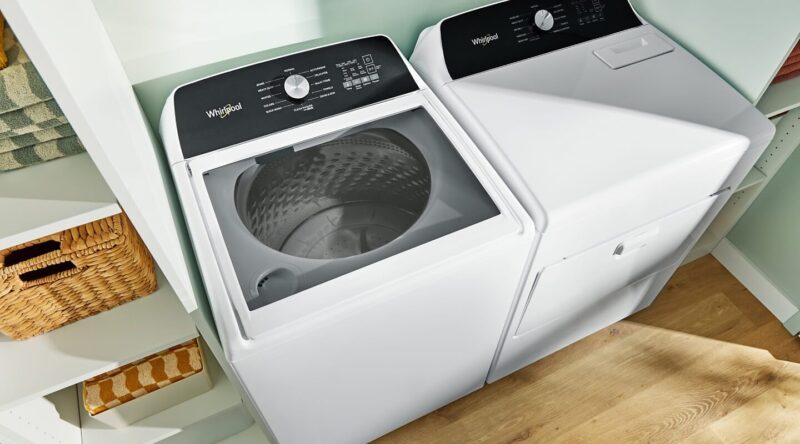
Choosing the right commercial washer is an important decision for businesses that depend on reliable laundry operations. Smaller commercial washers are commonly used in hotels, restaurants, salons, gyms, laundromats, healthcare facilities, and apartment buildings where consistent cleaning performance is necessary but available space may be limited.
While compact commercial washers can reduce water and energy usage, businesses still need to compare several important factors before making a purchase. Selecting the wrong machine may lead to higher operating costs, maintenance problems, or reduced efficiency over time.
Capacity And Daily Workload Matter Most
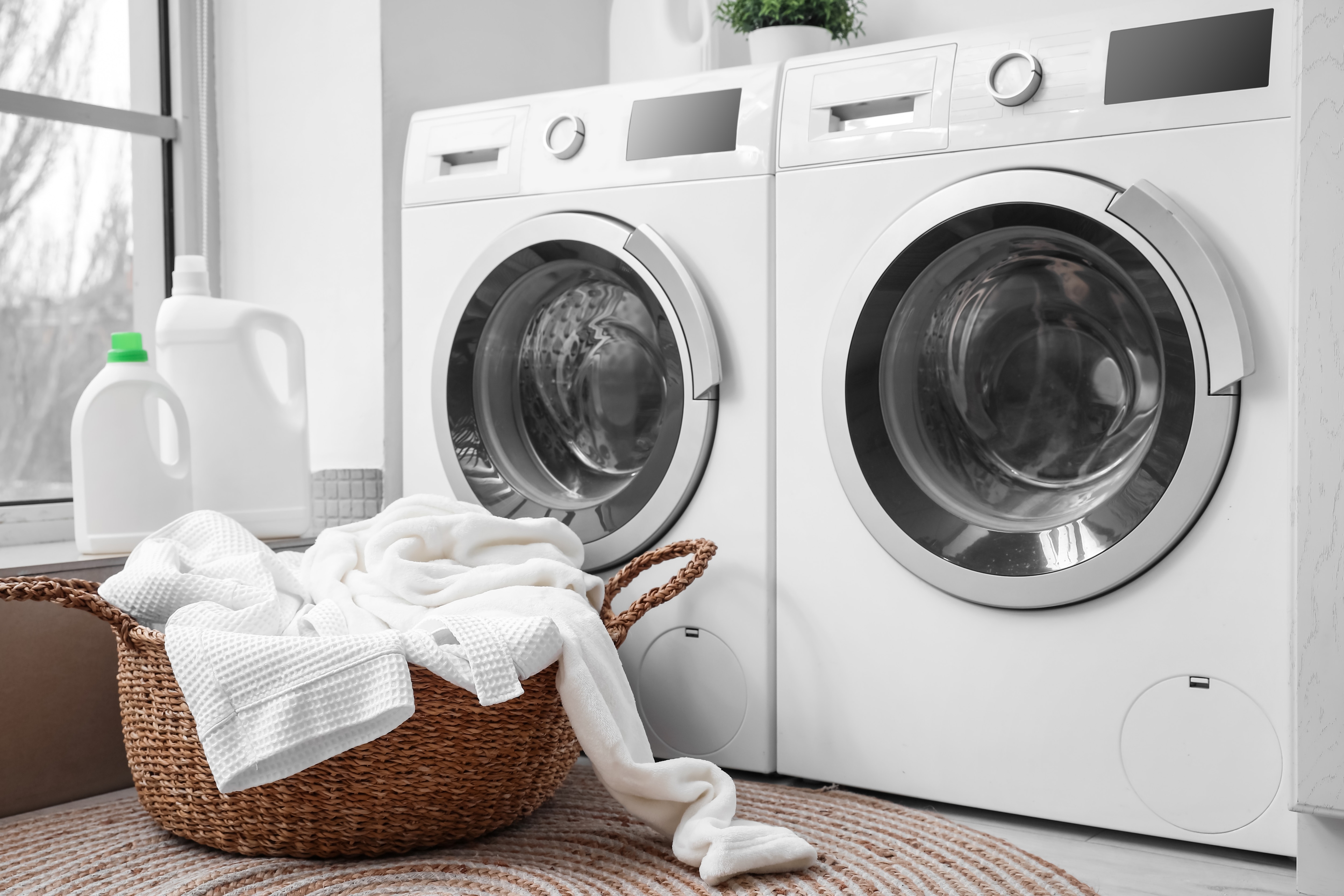
Businesses searching for insights into smaller commercial washers should first compare machine capacity and expected daily usage requirements before choosing a specific model.
Some smaller washers are designed for moderate daily use, while others are built for continuous commercial operation throughout the day. Understanding the volume of laundry generated by the business is essential for avoiding overloaded machines and unnecessary wear.
Companies should also consider load flexibility. A washer that handles different fabric types and load sizes efficiently can improve productivity and reduce operational delays during busy periods.
Energy Efficiency And Water Usage Affect Long Term Costs
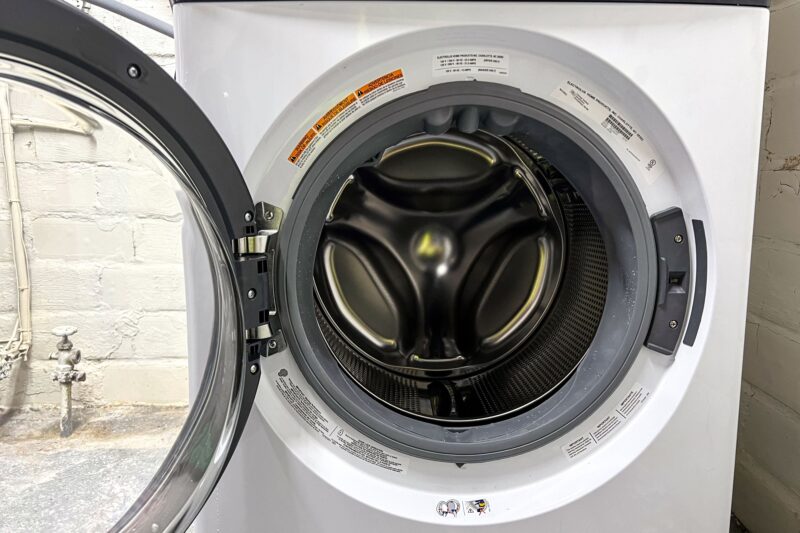
Commercial laundry equipment can create significant utility expenses over time. Energy-efficient washers often reduce electricity and water consumption, helping businesses lower monthly operating costs.
Modern commercial washers may include advanced wash cycles, automatic water level adjustment, and high-speed extraction systems that reduce drying times. These features can improve efficiency while lowering energy usage across the entire laundry process.
Although energy-efficient machines may cost more initially, many businesses recover those costs through lower utility bills and reduced maintenance needs over the long term.
Durability And Maintenance Should Be Compared Carefully

Commercial washers operate under far heavier workloads than residential machines, which means durability is one of the most important factors during the buying process.
Businesses should compare build quality, warranty coverage, available replacement parts, and local service support before purchasing equipment. Machines designed specifically for commercial environments usually include reinforced components and stronger internal systems built for repeated daily operation.
Easy maintenance access can also save time and reduce repair costs. Businesses that depend heavily on laundry operations benefit from equipment that can be serviced quickly to minimize downtime.
Conclusion
Smaller commercial washers can provide an efficient and space saving solution for many businesses, but choosing the right model requires careful comparison. Capacity, energy efficiency, durability, maintenance support, and long term operating costs all play important roles in the decision making process. By evaluating these factors before buying, businesses can select equipment that improves productivity, reduces expenses, and delivers reliable performance for years to come.